avoiding marketing tactics and choosing quality
Purchasing furniture can be a daunting task, especially when, as consumers, we are vulnerable to the variety of marketing tactics companies use to sell their products. Features that we consider while furniture shopping are style, quality, price, and convenience. Sellers know this, and in some cases, use it to their advantage. Whether we are faced with companies exploiting our inability to inspect items physically when purchasing online, capitalizing on current trends, or utilizing “act-fast!” sales, the better informed we are, the easier it will be to choose quality furniture.
Online Finds, Offline Fails
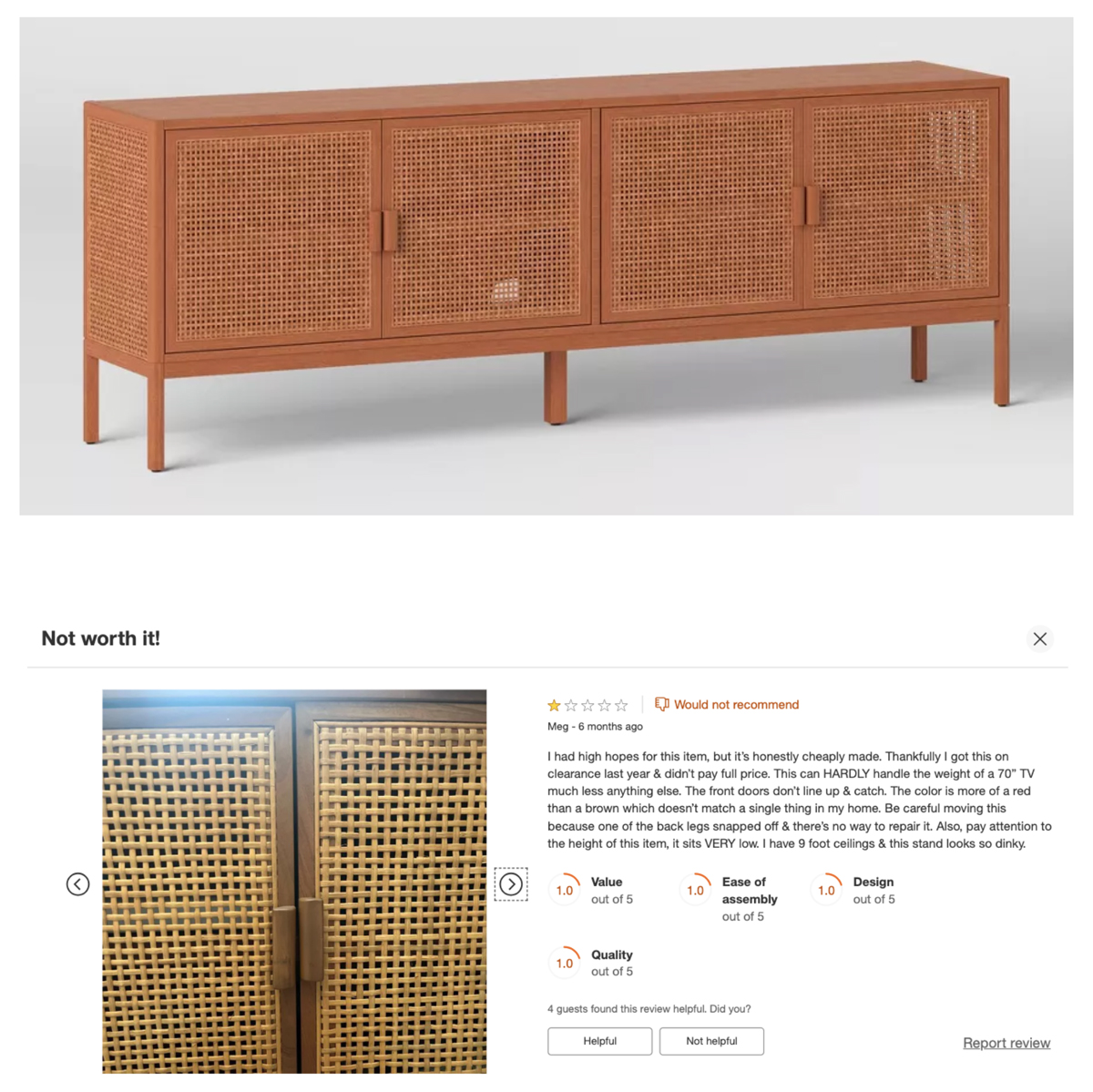
We are currently in the golden age of online shopping. Having access to millions of different products that can be on their way to us just by clicking a few buttons is incredibly convenient. However, this convenience does not come without cost: we miss out on the opportunity to physically inspect our purchases until they show up at our door. If we were shopping for furniture in person, we could examine pieces up close, from every angle, feel the materials, and assess comfort. All of these observations allow us to determine a product’s quality. It is impossible to use our senses in the same way when we shop online, and unfortunately, sellers benefit from this fact. Poorly crafted pieces can be photographed in flattering lighting, edited, and enhanced, giving retailers a better chance of selling them for higher prices. For example, consider this listing for a console. It appears very warm and consistent in tone in the photo, and seems well-constructed. However, reviews indicate otherwise. In actuality, the tone is not consistent between the console and the door panels, and the overall color is completely different from what was shown in the listing photo. It is also stated in multiple reviews that the quality is far from what was expected.
Now, don’t get me wrong, there are plenty of trustworthy companies selling amazing furniture online! We just have to be discerning with which ones to choose, because the internet as a selling platform makes it way too easy for online companies to deceive consumers. The first step in determining whether or we can trust a particular retailer is by researching them and their policies. A red flag for unethical companies is often their strict return policies. By making returns difficult or impossible, they avoid addressing unhappy customers and keep profits they know they do not deserve. Customer reviews are another valuable indicator for quality, especially when they are accompanied by photos. These images can give you a more realistic idea of how a piece will look in a home with natural lighting compared to the idealized lighting of product photography. Ordering material samples, if possible, is another way to assess how an item will appear in your home’s natural lighting. Last, but not least, carefully review product descriptions for details about materials used. Opt for high-quality materials such as hardwood, 100% linen, and genuine leather, and avoid materials like particle board, MDF, and plastic, which may indicate lower durability and quality.
MICROTRENDS
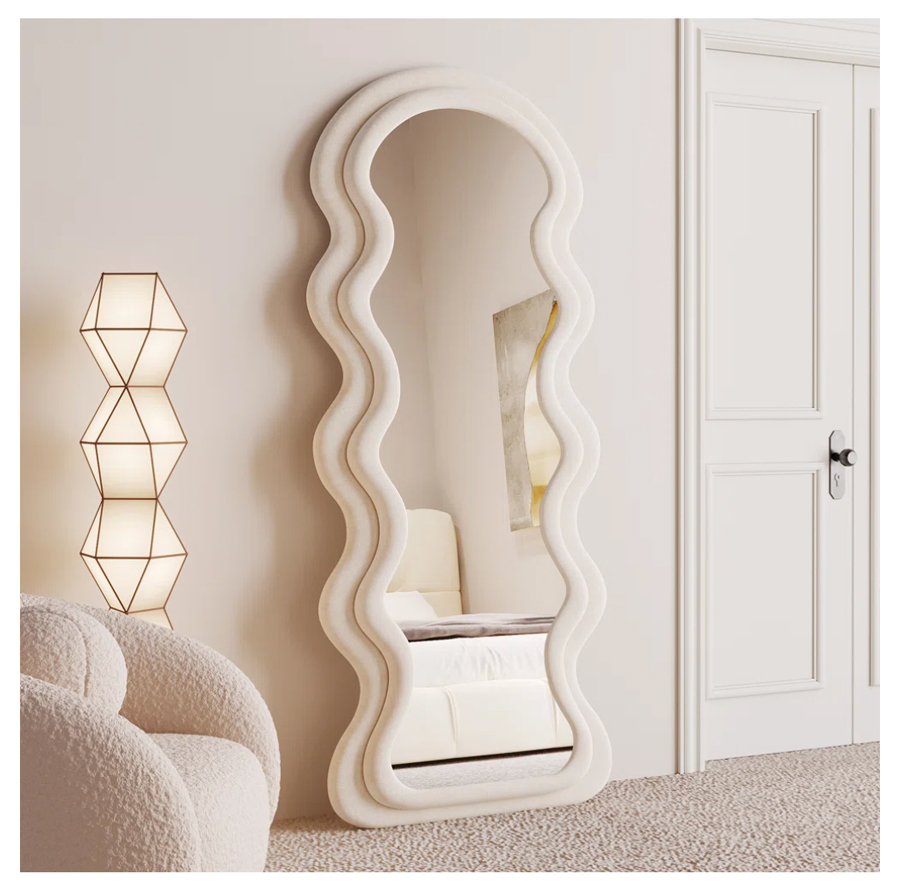
Just as we are in the golden age of online shopping, we are also experiencing a remarkable era of trends. Trend-following has always been an inherent part of human nature, but it became particularly prominent during the 14th century when fashion evolved from a necessity to an expression of creativity and social status. While social media did not create the concept of trends, it does allow them to spread rapidly around the world. However, as quickly as trends emerge, they fade just as fast, leading to the rise of what we now know as microtrends. Microtrends are extremely fleeting, and they do not just include fashion, but other aspects of our lives, including home design.To keep up with these microtrends, furniture manufacturers produce items quickly and spend less time worrying about their quality.
Prevent falling victim to microtrends by developing a unique personal style based on your preferences and needs. Start by visiting furniture stores and taking note of what you are drawn to. Look at different types of materials, feel various fabric textures, explore all of the color options and how they make you feel, and notice different shapes and forms. It’s also helpful to take note of things you do not like or want in your own home. Keep in mind that even if a piece is aesthetically pleasing, it may not be functional. Determine which aspect—style or functionality—matters most to you. Once you establish your personal style, it will be easier to remain true to it and avoid fleeting trends.
“Last chance! Sale ends toDAY!”
You walk into a furniture store you’ve never been in before. A chair immediately catches your eye and you make your way to it. It’s exactly the style you’ve been looking for. A salesman appears and informs you that there is a huge sale, and it just so happens to be ending today! He doesn’t leave your side the whole time you are there, constantly reminding you how great the “limited-time” deal is. Feeling pressured, you decide to purchase the chair. A week later, it breaks. When you return to the store, you find out that they do not accept returns, leaving you stuck with the broken chair.

Retailers love to use the ‘limited time offer’ tactic to create a sense of urgency among their customers, making them feel the need to purchase quickly before the opportunity is gone forever. After all, who wants to miss out on a good deal? However, if we give in, we might end up with something we’re unsure about or didn’t have enough time to fully consider.
Never. Rush. Purchases. Even if there is a sale! Ultimately, it will be worth paying the extra 10-15% to avoid buyer’s remorse. Take the time to thoroughly consider your options and make informed decisions that truly meet your needs and preferences. By resisting the urge to purchase impulsively, you save yourself from regret and ensure that your purchases bring lasting satisfaction and value.
In summary…
- Research retailers carefully
- Check material quality
- Order samples
- Work on developing your personal style
- Avoid overly trendy pieces
- Never rush purchases